Samsung Electronics and its largest labour union resumed negotiations on Wednesday in a final attempt to avoid a major strike that could disrupt global semiconductor supply chains and deepen pressure on the world’s largest memory chipmaker.
The talks, held under government mediation in South Korea, came just one day before an 18-day strike scheduled to begin on Thursday. The dispute involves the National Samsung Electronics Union (NSEU), which represents tens of thousands of workers across the company’s semiconductor and electronics operations.
According to Reuters, negotiators spent more than 15 hours in discussions on Tuesday without reaching an agreement. Reports from local media and Reuters indicated that one key issue remained unresolved, centred on Samsung’s bonus structure and long-term profit-sharing arrangements.
The strike threat has become one of the most significant labour disputes in Samsung’s recent history because of the company’s position in the global semiconductor industry. Samsung is a major supplier of DRAM and NAND memory chips used in smartphones, laptops, data centres and artificial intelligence infrastructure.
The union has argued that Samsung employees are not receiving compensation comparable to workers at rival chipmaker SK Hynix, despite growing demand for memory chips linked to the expansion of AI services and cloud computing.
Workers are demanding changes to Samsung’s bonus policies, including the removal of a 50% cap on annual bonuses and a system that would allocate 15% of operating profit toward employee compensation. Union representatives have also called for greater transparency in how bonuses are calculated and want the structure written permanently into labour agreements.
Samsung management has reportedly resisted making permanent structural changes to compensation policies. Reuters reported that the company instead proposed one-time bonus payments and smaller adjustments to long-term profit-sharing arrangements.
The planned strike could involve nearly 48,000 workers, according to union estimates cited in multiple reports. South Korea’s government has expressed concern that a prolonged stoppage could damage the country’s export-driven economy and affect semiconductor production during a period of strong global demand.
Semiconductors remain one of South Korea’s most important exports, with Samsung playing a central role in the industry. Analysts quoted by Reuters estimated that a prolonged disruption at Samsung could reduce global DRAM supply by as much as 4% and NAND flash supply by about 3%.
Even relatively small reductions in semiconductor output could have wider consequences for the technology sector because memory markets are already under pressure from increasing AI-related demand. Delays in chip shipments could affect manufacturers of servers, smartphones and personal computers, while also increasing costs for cloud service providers and companies building AI infrastructure.
Reuters also reported that South Korean officials were concerned that severe production disruption could affect national economic growth. Estimates cited by the publication suggested semiconductor output losses could reach nearly $20 billion if the strike significantly impacts operations.
The dispute has drawn attention partly because of Samsung’s long history of opposition to organised labour. For decades, the company faced criticism over alleged anti-union practices before employee unions began gaining influence in recent years.
Union membership inside Samsung has increased sharply since the company’s first major labour actions in 2024. The current negotiations are being closely watched as a test of how South Korea’s technology sector handles growing labour demands during a period of rising profits and expanding global competition.
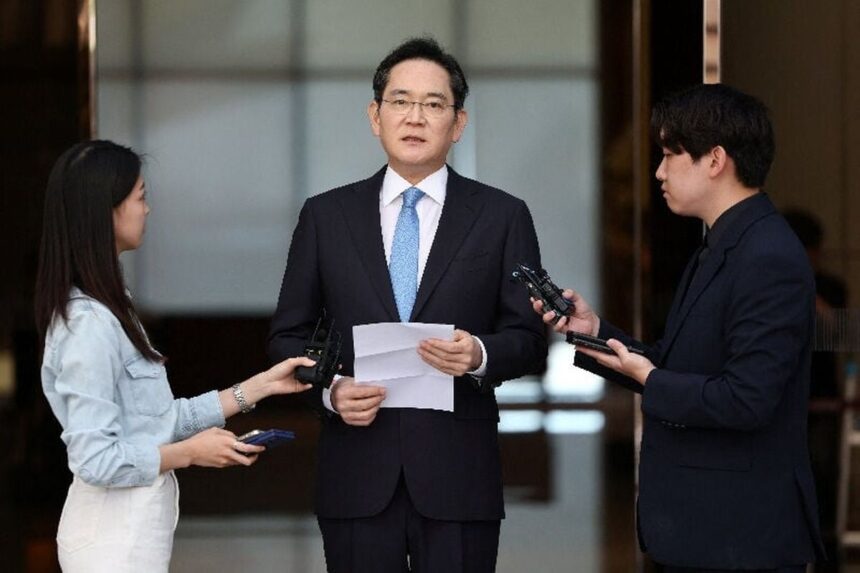
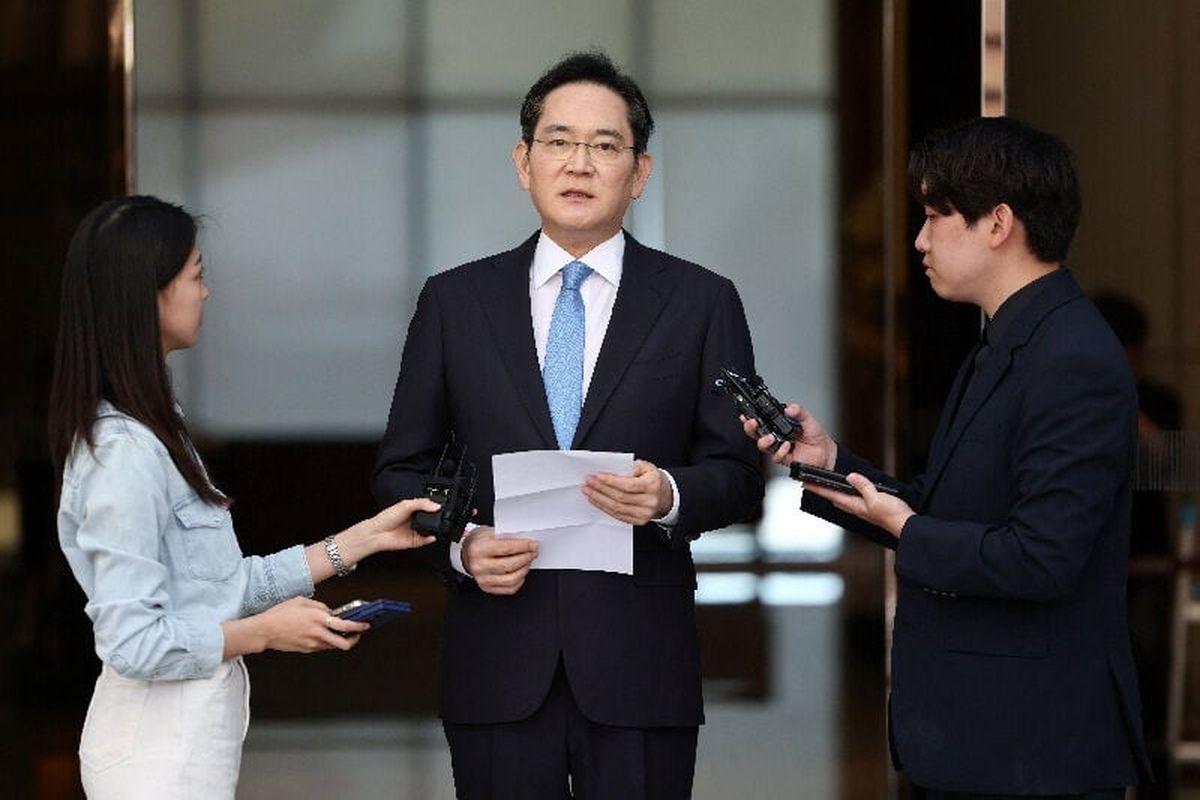
Samsung Chairman Lee Jae-yong reportedly issued a rare public apology related to the escalating labour conflict, according to local media reports.
The South Korean government has also explored measures that could temporarily limit the impact of a strike if negotiations collapse. Reuters reported that authorities have considered emergency arbitration powers that could suspend industrial action for up to 30 days if economic damage becomes severe.
Separately, a court ruling has reportedly required thousands of essential Samsung employees to continue working during any strike action in order to avoid major disruptions at semiconductor fabrication facilities.
Industry observers said the outcome of the negotiations could influence pricing and supply conditions across the global memory chip market over the coming months. Companies dependent on Samsung’s semiconductor output are expected to closely monitor developments as the Thursday strike deadline approaches.
Neither Samsung nor union representatives publicly announced a breakthrough following Wednesday’s discussions, leaving uncertainty over whether the strike can still be avoided.